AI–Assisted Overview Article BrainImmune’s aim is to narrow the informational and conceptual gap at the interface of neurosciences and immunology....
51 results for
catecholamine and cancer
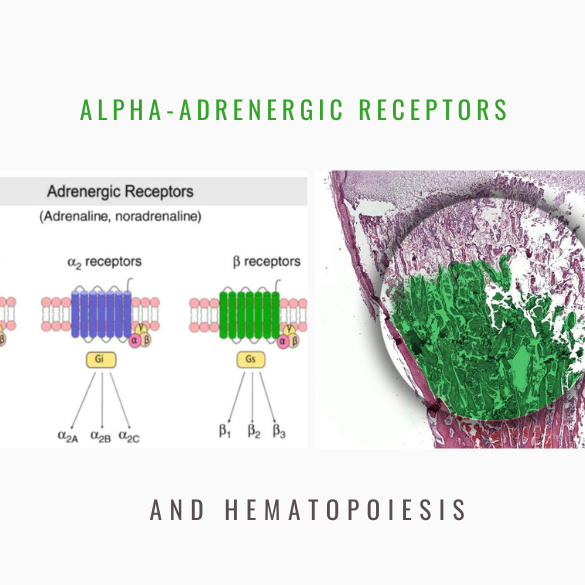
Alpha-Adrenergic Receptors – Hematopoiesis Hematopoiesis takes place in specialized structures of the bone marrow (BM) called hematopoietic niches. These structures...
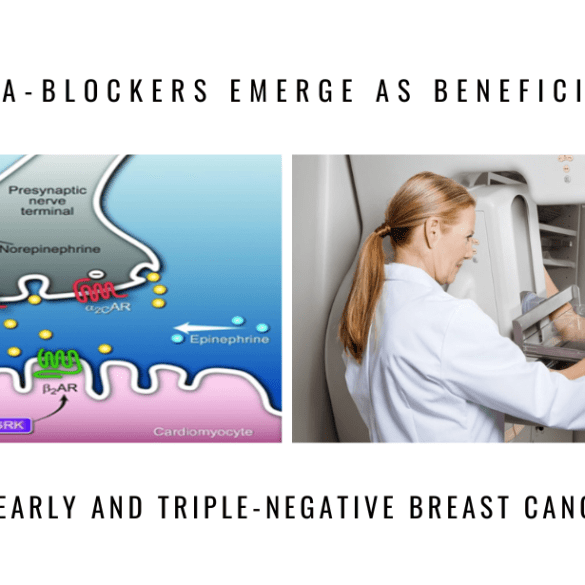
Evidence accumulated over the last 20 years indicates that beta-blockers are beneficial or perhaps even life-saving in early stage breast...
Beta2-adrenoceptor upregulation – IL-17 – COVID-19 It has been reported that nucleotide-binding oligomerization domain 2 (NOD2) can also function as...
Beta-Adrenoceptors – Tumor Development Over the last 3 decades, an increasing body of evidence suggests that catecholamine-dependent signalling may represent...
Melatonin – Pathogenic Th17 and Regulatory T Cells The central master circadian clock is located in the suprachiasmatic nucleus (SCN)....
One of the paradoxes of medical sciences is building boundaries between disciplines and drawing dividing lines between research fields. Moreover,...
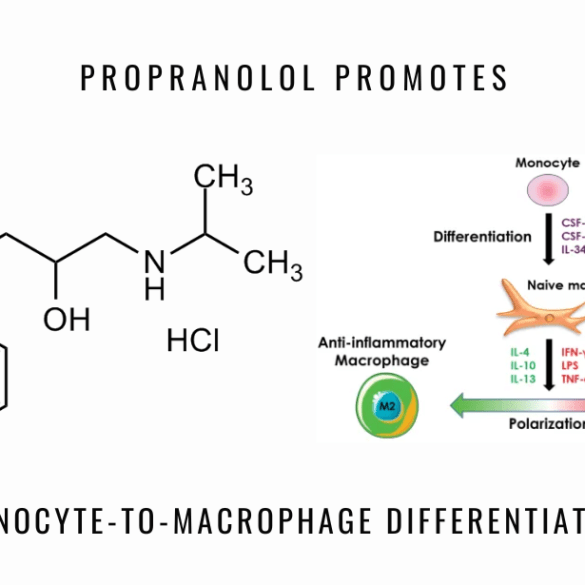
Propranolol and Monocyte-to-Macrophage Differentiation Adrenergic pathways represent the main channel of communication between the nervous system and the immune system...
Approaches to Overcome Immunosuppression – Prostate Cancer Prostate cancer background The prostate gland is a complex organ roughly the size...
Neuroendocrine-immunology has achieved substantial progress and growth over the last year. As the BrainImmune mission is to promote the advancement...
Stress research has been around for 80 years but has perhaps never been more actual and trendy as in recent...
Norepinephrine – Beta3-Adrenoreceptors – Melanoma A report recently published in Oncotarget shows that the β3-adrenoreceptors are involved in melanoma aggressiveness,...